

What Are Fine Art Images?
Fine art photography goes beyond simply documenting a subject (like in journalism, family photos, or product photography). Instead, the artist uses the camera as a creative tool—the same way a painter uses a brush—to express an idea, mood, or concept.
-
The intent is artistic expression, not commercial use or purely informational.
-
The final piece is often meant to be displayed in galleries, museums, or private collections.
-
Prints are typically produced in limited editions, signed by the artist, which increases value and authenticity.
Characteristics of Fine Art Images
-
Conceptual Vision – A photograph created to convey a personal message, emotion, or interpretation (e.g., solitude, beauty of decay, human connection with nature).
-
Aesthetic Choices – Composition, light, shadow, and color are deliberately crafted, often evoking painterly or sculptural qualities.
-
Technical Mastery – Skilled use of cameras, lenses, post-processing, and printing techniques.
-
Uniqueness – Often printed in limited runs (e.g., 10 or 25 prints only), signed and numbered.
-
Presentation – Works are typically mounted, framed, or printed on fine papers, metals, or canvas for display.

Subjects & Styles
-
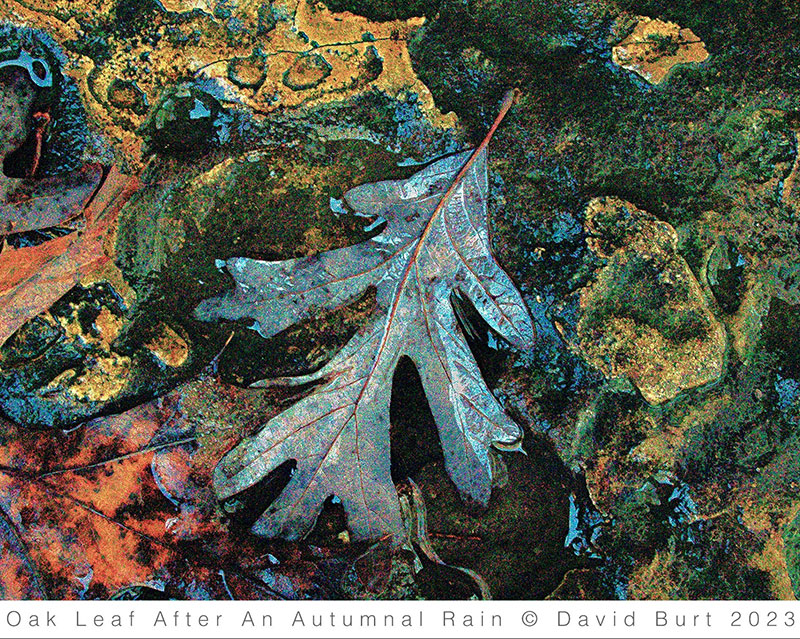
Abstracts – Shapes, patterns, textures (often blur the line between photo and painting).
-
Portraits – Not just likeness, but conveying identity, psychology, or narrative.
-
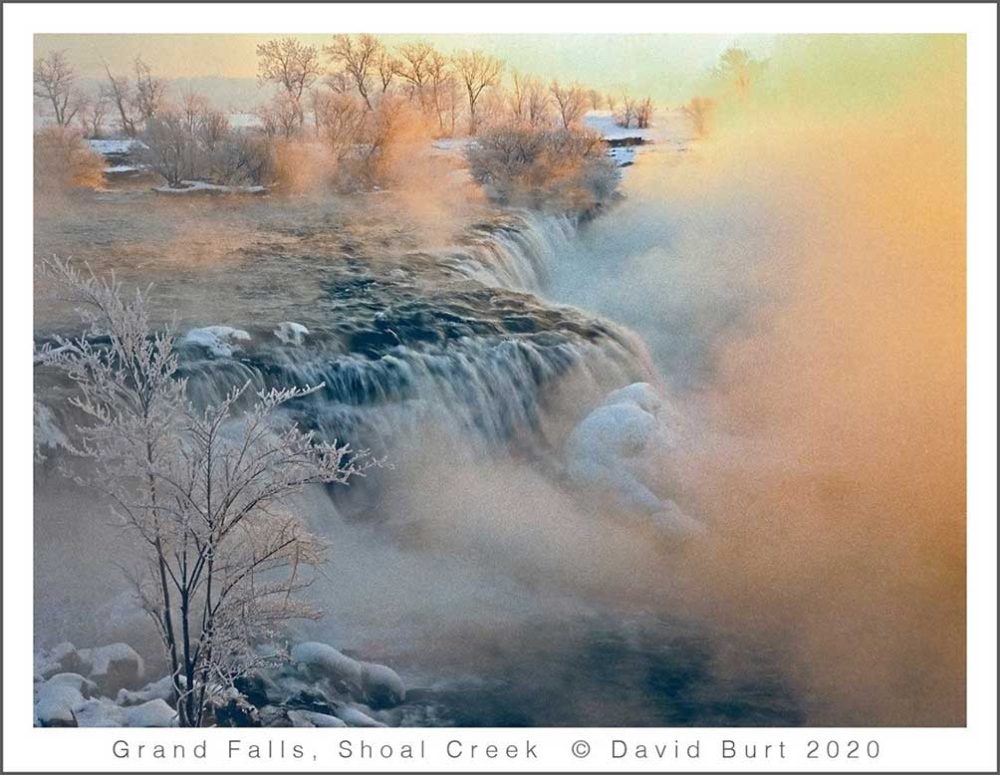
Landscapes – Natural or urban environments, but interpreted emotionally or symbolically.
-
Still Life – Everyday objects arranged to create mood or meaning.
-
Conceptual Art Photography – Staged scenes that tell a story or challenge ideas.
Fine Art Photography in Galleries
Fine art photographs often appear alongside paintings and sculptures in galleries and museums. Collectors value them because:
-
They are limited in supply (not endlessly reproduced).
-
They carry the vision and signature of the artist.
-
Archival printing ensures longevity, making them comparable to etchings or lithographs.